
What to Ask About the Structure Behind a New Pool
The hidden work carries the project
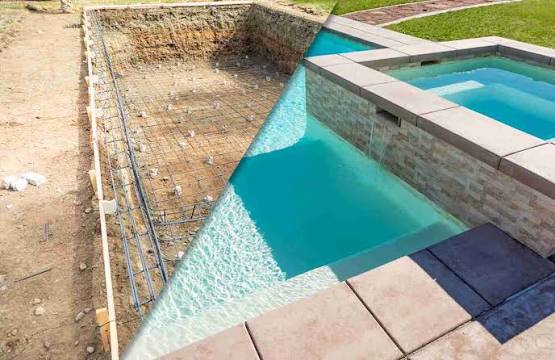
Pool projects are often judged by the patio, liner, lighting, and water features, but the structure underneath carries the long-term value. Walls, braces, plumbing, concrete, backfill, drainage, and liner fit decide how the pool performs after the first season.
Jameson Pool & Spa’s build process and structure page describes galvanized steel walls, a gunite pool bottom, pressure-tested plumbing, gravel backfill, and dry-well drainage as part of its construction approach.
Ask how the wall resists pressure
A pool wall has to deal with ground pressure, water pressure, frost, and deck loads. Homeowners do not need to become engineers, but they should understand what the wall is made from, how it is braced, and how the surrounding concrete and patio support the finished installation.
The builder should be able to explain why the structure suits local conditions and how it is protected during installation. If those answers are vague, the visible finish may be carrying too much of the sales conversation.
Plumbing deserves a plain-language review
Plumbing is another hidden system worth asking about. Line material, pressure testing, skimmer count, returns, main drains, and equipment placement all affect circulation and maintenance. A simple diagram can help homeowners understand how water will move through the system.
Drainage around the pool is equally important. Backfill choices and water management can affect the area around the shell, especially after heavy rain or freeze-thaw cycles.
Finish choices should follow structure
Once the structural plan is clear, finish choices become easier. Liners, lighting, steps, coping, and patio materials can then be selected with a better sense of what the pool is built to support.
For homeowners bringing their own designer or landscaper to the table, a standalone pool installation option can keep responsibilities clearer while still giving the pool shell the attention it needs.
A well-built pool is not defined by one dramatic feature. It is the result of structural decisions that make everyday use, maintenance, and future updates more predictable.
