Harrogate Extensions Are Creating a New Kind of Bifold Door Problem
There is a very specific sound modern bifold doors make when something starts going wrong.
Not the dramatic grinding people expect. Usually it starts as a dull little click somewhere near the lead door. Then maybe a slight resistance halfway across the track. Then the handle starts needing a firmer lift than it did six months ago.
Most homeowners ignore it initially.
In places like Harrogate and Wetherby especially, that tiny early warning noise is becoming incredibly common now.
Partly because so many extensions were built over the last decade.
Partly because many of those bifold systems are reaching the age where hidden installation problems are starting to surface properly.
And partly because people were sold the idea that bifold doors were almost maintenance-free.
They are not.
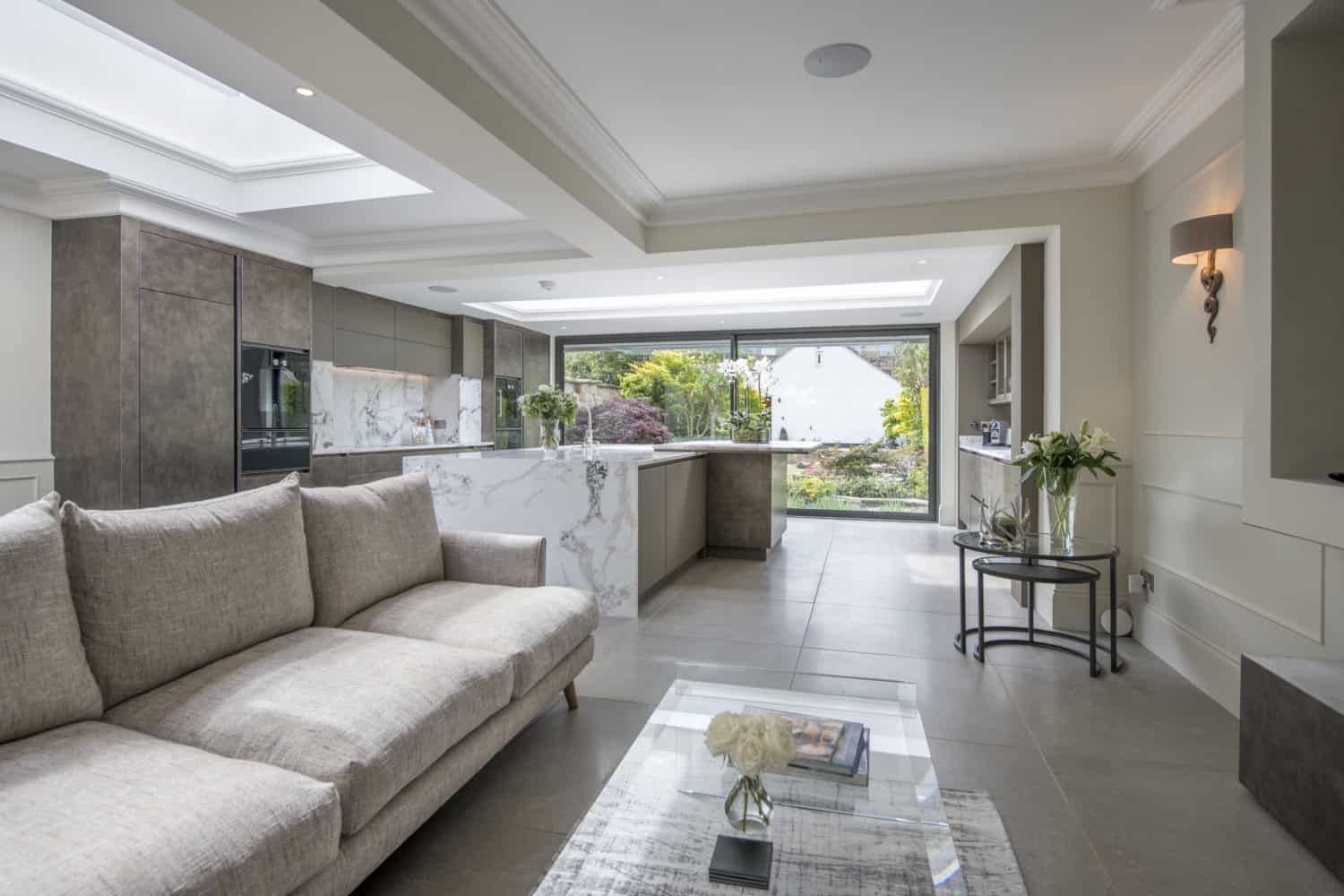
This has quietly become one of the busiest areas for bifold door repairs across parts of West Yorkshire recently, particularly on larger rear kitchen extensions where homeowners invested heavily in open-plan living during the property boom years.
Some systems are still performing brilliantly.
Others already feel tired.
Harrogate Went Big on Glass and Open-Plan Living
You only have to drive around newer extension-heavy parts of Harrogate to see how much homeowner taste changed during the late 2010s.
Traditional separate kitchens disappeared.
Rear walls came out.
Wide openings became fashionable almost overnight.
Suddenly every second renovation project seemed to involve anthracite bifold doors stretching across the back of the house.
At the time, most of them looked fantastic.
Still do, to be fair.
But what people rarely discuss is what happens once these systems have survived seven or eight Yorkshire winters, a few hot summers, constant daily use and gradual property movement.
That is when the small faults begin appearing.
Dropped corners.
Misaligned locks.
Dragging rollers.
Lead doors catching near the top frame.
One thing I see often is homeowners assuming the entire door has “warped” when actually the problem is usually mechanical wear combined with subtle structural movement around the opening itself.
Extensions settle.
Especially newer ones.
Even tiny amounts of movement matter once large glass panels are involved.
Some Bifold Systems Were Installed Far Too Quickly
This is the awkward truth behind a lot of modern door issues.
During busy construction periods, speed often mattered more than long-term adjustment tolerances.
Not always. Plenty of excellent installers around Yorkshire took real care with these systems. But there was definitely a phase where bifolds became so popular that some installations were rushed simply to keep projects moving.
You can usually tell fairly quickly when corners were cut.
The alignment feels slightly off even before visible problems appear. The doors might technically function but never quite feel smooth. Handles need slightly more effort. One panel drags fractionally more than the others.
Then weather changes expose the weaknesses properly.
Particularly in Harrogate where seasonal temperature swings affect larger aluminium systems quite noticeably.
Warm weather expands frames slightly.
Cold damp spells tighten tolerances again.
If the original installation already lacked proper adjustment room, the doors start fighting themselves mechanically.
And homeowners only really notice once locking becomes awkward.
Yorkshire Weather Is Brutal on Large Bifold Systems
A lot of people still underestimate how much weather affects moving door systems.
Traditional UPVC back doors are relatively forgiving because they are smaller and simpler mechanically. Large bifold systems are completely different.
Heavy glass.
Multiple moving panels.
Complex locking points.
Rollers constantly carrying significant weight.
Add Yorkshire weather into that equation and weak setups start showing faults much faster.
This spring has been particularly revealing.
Weeks of damp conditions followed by sudden warmer periods have caused noticeable expansion and contraction cycles across many bifold systems around Harrogate and Leeds. Homeowners are reporting doors suddenly becoming difficult to lock even though “nothing changed”.
Something did change.
Temperature.
Moisture.
Frame movement.
Usually the door was already drifting slowly beforehand.
The weather simply accelerated the symptoms.
A Lot of Homeowners Are Forcing the Problem
This is where minor issues become expensive ones.
Once bifold doors start stiffening slightly, most people naturally apply more force without thinking too much about it. Harder pulls on the handle. More pressure through the lead door. Slight lifting while turning the key.
Over time that creates wear elsewhere.
Rollers flatten gradually.
Locking keeps shift.
Hinges begin compensating unevenly.
Eventually the whole system starts feeling heavy and awkward.
You can often tell within minutes when homeowners have been forcing a misaligned bifold for months. The wear patterns become obvious.
One side drops lower than the other.
The handle feels strained.
The locks no longer engage cleanly.
And usually somebody says:
“We thought it just needed using a bit harder.”
Unfortunately bifolds rarely improve from being forced repeatedly.
Modern Extensions Are Creating Weight Problems Too
Not all bifold doors are small.
Some of the systems fitted around Harrogate over recent years are enormous. Four, five or six-panel configurations with large glazed sections weighing far more than older domestic patio doors ever did.
That weight matters long term.
Especially if track support underneath was not perfect originally.
One thing I see often on larger kitchen extensions is gradual downward pressure affecting the running gear unevenly over time. Tiny movement underneath the threshold starts changing how the rollers distribute weight across the track.
Initially it is barely noticeable.
Then one panel begins dropping slightly lower.
Then locking becomes inconsistent.
Then homeowners start hearing clicking noises during operation.
By the time people search for proper same-day UPVC repairs, the underlying wear has usually been developing quietly for years.
Harrogate Homeowners Tend to Delay Repairs
There is a strange psychological thing with expensive bifold systems.
People almost do not want to acknowledge problems because the original installation cost so much.
You hear it repeatedly:
“They were only fitted a few years ago.”
“They shouldn’t already need repairing.”
“We assumed bifolds lasted longer than this.”
And to be fair, many do.
But “lasting” and “remaining perfectly adjusted forever” are different things entirely.
A lot of homeowners delay repairs because they fear being told the entire system needs replacing. In reality, many issues are still repairable if caught early enough.
Alignment adjustments.
Roller replacements.
Track work.
Lock mechanism repairs.
The expensive situations usually happen when problems get ignored for another couple of winters afterwards.
Cheap Hardware Is Quietly Becoming a Huge Issue
Some bifold systems look premium externally but contain surprisingly mediocre hardware internally.
That is causing problems now.
The difference between good rollers and poor rollers becomes very obvious after years of real use. Better systems still feel reasonably smooth after prolonged exposure to dirt, moisture and seasonal movement. Cheaper components start degrading much sooner.
Especially on heavily used family extensions where the doors are constantly opening onto gardens and patios.
Tracks fill with contamination fast in those environments.
Mud.
Tiny gravel.
Pet hair.
Leaves.
Everything eventually works its way into the running gear.
One contractor recently described some neglected tracks as “basically grinding paste”.
Not inaccurate.
A lot of homeowners clean visible surfaces carefully but rarely think about the actual mechanisms underneath.
That is where most failures begin.
Some Repairs Are Becoming Harder Due to Parts Availability
This is another issue emerging quietly now across West Yorkshire.
Certain bifold systems fitted during the boom years already use discontinued hardware.
Manufacturers regularly alter designs, suppliers disappear, component ranges change. Sometimes the repair itself is straightforward mechanically but sourcing the exact compatible part becomes the real challenge.
Especially with imported systems.
You occasionally arrive expecting a quick adjustment job and end up spending half the day identifying obscure rollers or lock components no longer widely stocked.
Homeowners rarely realise this side of the industry exists until something fails.
And once replacement parts become scarce, delays increase quickly.
This is one reason why earlier intervention matters far more than people think.
A slightly worn roller replaced early is manageable.
A completely collapsed roller damaging surrounding components becomes far more awkward.
Older Yorkshire Houses Complicate Everything Further
Modern bifolds fitted onto older properties create another layer of complexity entirely.
Many Harrogate homes were never originally designed for huge uninterrupted openings. Once rear walls are removed and large glazed systems installed, the surrounding structure behaves differently over time.
Not dangerously.
Just differently.
Tiny seasonal movement in older buildings can affect bifold alignment far more than homeowners expect. Particularly around larger extension openings where steelwork and newer structures interact with older parts of the property.
This is why some bifold doors seem to “go out” repeatedly despite previous adjustments.
The house itself continues shifting slightly through temperature and moisture changes.
From years dealing with these doors, properties around Harrogate often show a mix of older structural movement combined with modern extension pressure points.
The doors become the first thing homeowners notice because moving systems reveal alignment changes immediately.
Walls can shift subtly for years unnoticed.
Bifolds cannot.
Patio Doors Are Quietly Outlasting Some Bifold Systems
This conversation annoys some people in the industry slightly, but it comes up regularly now.
Traditional sliding patio doors are often proving mechanically simpler long term.
Not prettier necessarily.
Not trendier.
But simpler.
Fewer hinges.
Fewer moving junctions.
Less complicated locking interaction.
There are older patio systems around Leeds still operating reasonably well after decades because the mechanics are straightforward and relatively robust.
Meanwhile some newer bifolds already need repeated adjustments within their first ten years.
That does not mean bifolds are bad products.
Far from it.
But they absolutely require realistic maintenance expectations. Something many homeowners were never properly told during the sales process.
The “Maintenance-Free” Marketing Created Unrealistic Expectations
That phrase caused huge confusion.
A lot of bifold systems were marketed almost like permanent architectural features requiring little more than occasional cleaning. Homeowners understandably interpreted that as meaning no meaningful upkeep whatsoever.
Reality is different.
Large moving doors need periodic adjustment.
Tracks need cleaning properly.
Rollers wear.
Locks drift.
Alignment changes seasonally.
Particularly in damp northern climates.
None of this is shocking to people who work around mechanical systems daily. But homeowners often feel blindsided because the sales messaging rarely focused on long-term maintenance realities.
Especially during the height of bifold popularity when aesthetics dominated everything.
The Biggest Problems Usually Started Small
That is the pattern repeating itself across Harrogate now.
Minor stiffness becoming major alignment failure.
Small dragging issues becoming damaged tracks.
Slight lock resistance becoming complete mechanism replacement.
Most catastrophic bifold failures did not start catastrophically.
They started quietly.
Tiny noises.
Slight resistance.
Subtle movement changes.
And because modern bifold systems look expensive and impressive, homeowners often assume they are indestructible mechanically.
They are not.
They are heavy, complex moving systems exposed constantly to Yorkshire weather, extension movement and daily use.
Some hold up brilliantly.
Some clearly never had much margin for error from the start.
And right now, across Harrogate especially, a lot of those hidden weaknesses are beginning to surface all at once.