
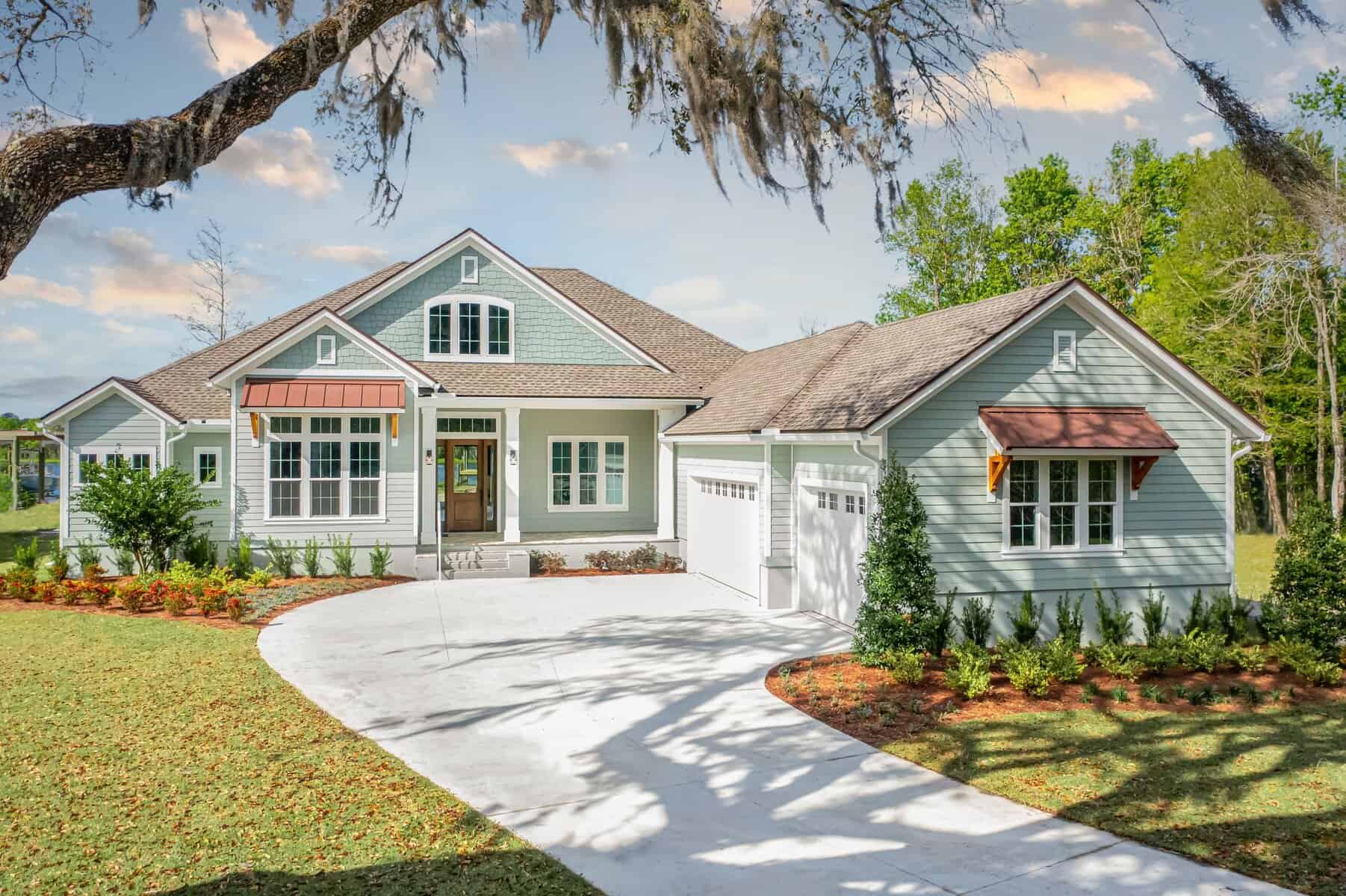
Why Location Matters When Purchasing Spec Homes
When buying a new property, it is easy to become focused on the appearance of the house. Modern kitchens, attractive finishes, spacious bedrooms, updated bathrooms, and energy-efficient features can all make a spec home appealing. However, one of the most important factors to consider is something that cannot be changed after the purchase: the location.
Spec homes are generally built by developers or builders before a specific buyer has been selected. Because the property is already designed or under construction, buyers often have fewer opportunities to customize major elements. This makes choosing the right location even more important. A well-designed home in an unsuitable area may not provide the lifestyle, convenience, or long-term value a buyer expects.
Understanding Spec Homes
Spec homes, short for speculative homes, are properties constructed by builders based on their expectations of what buyers will want. Instead of building entirely according to one customer’s plans, builders typically select popular layouts, features, finishes, and designs intended to attract a broad market.
The quality of the home depends on many factors, including materials, workmanship, floor plan, and the builder’s approach to spec home construction. However, the surrounding community can have just as much influence on the property’s overall appeal.
Before becoming attached to the interior of a property, buyers should take time to understand its neighborhood and surroundings.
Location Influences Daily Convenience
One of the biggest advantages of choosing a good location is everyday convenience. A beautiful spec home may lose some of its appeal if residents have to travel long distances for basic necessities.
Consider the property’s proximity to grocery stores, pharmacies, healthcare facilities, restaurants, shopping centers, parks, and other services. Easy access to these amenities can make daily life simpler and more enjoyable.
Buyers should also think about their personal routines. Someone who works from home may prioritize a quiet neighborhood, while a commuter may place greater importance on access to major roads or public transportation.
The best location is not necessarily the one with the most amenities. It is the one that fits the buyer’s lifestyle.
Schools Can Affect Property Appeal
For buyers with children or those planning to have children, nearby schools can be an important consideration. Even buyers without children may want to understand the quality and reputation of local educational facilities because schools can influence demand for homes in an area.
When evaluating a spec home, research the schools serving the neighborhood and consider their proximity, reputation, and available programs. A convenient location near desirable schools can make a property attractive to a larger pool of future buyers.
Because spec homes are often purchased with long-term ownership in mind, thinking about future needs can be just as important as considering current circumstances.
Neighborhood Character Matters
The neighborhood surrounding a spec home contributes significantly to the overall living experience. Buyers should look beyond the individual property and observe the surrounding homes, streets, landscaping, traffic, and general atmosphere.
A well-maintained community can enhance the appeal of a newly built home. Buyers should look for signs of consistent property maintenance, attractive public areas, reasonable traffic levels, and a sense of community.
It is also useful to visit the neighborhood at different times of day. An area that seems quiet on a weekend afternoon might be considerably busier during weekday commuting hours.
Transportation and Accessibility
Transportation is another major location factor. Buyers should determine how easily they can reach workplaces, schools, shopping areas, entertainment venues, and other frequently visited destinations.
Access to major highways can be particularly valuable for commuters. However, living directly beside a busy highway may create unwanted noise and traffic. Buyers need to find a balance between accessibility and comfort.
Walkability can also add value. Sidewalks, nearby parks, local shops, and pedestrian-friendly streets can make a community more convenient and enjoyable.
Consider Future Development
A location should not be evaluated only according to what exists today. Buyers should also investigate what may be developed in the surrounding area.
New shopping centers, schools, roads, parks, and community facilities could improve an area’s convenience and potentially increase demand for nearby properties. On the other hand, major construction projects, industrial development, or increased traffic could negatively affect the living experience.
Before purchasing a spec home, buyers can research local development plans and zoning information. Understanding potential changes can help prevent unpleasant surprises later.
Location and Resale Potential
Even when buyers intend to live in a spec home for many years, resale value should still be considered. Circumstances can change, and homeowners may eventually need to sell or relocate.
Properties in desirable locations often have an advantage because buyers typically consider more than the structure itself. A home with attractive features in a convenient, established neighborhood may appeal to more prospective buyers.
Location can therefore complement the quality of the home. Strong spec home construction can create an attractive property, but a desirable neighborhood can help support its long-term marketability.
Think About Noise and Surroundings
Noise is an often-overlooked location factor. Buyers should pay attention to nearby highways, airports, railways, entertainment venues, commercial areas, and other potential sources of noise.
Even a high-quality home may become less enjoyable if residents regularly experience excessive traffic or environmental noise.
It is also worth considering nearby vacant land. An undeveloped lot may look peaceful today, but future construction could change the character of the area. Buyers should understand what may eventually be built nearby before making a decision.
Examine Safety and Community Conditions
Feeling comfortable in a neighborhood is essential. Buyers should research publicly available information about local crime trends and observe the condition of streets, lighting, sidewalks, and common areas.
A community with good infrastructure and well-maintained surroundings can contribute to a better ownership experience. Buyers should avoid making decisions based solely on appearances and instead conduct thorough research before purchasing.
Location Affects Overall Ownership Costs
Location can also influence the total cost of owning a spec home. Property taxes, insurance rates, commuting expenses, utility costs, and maintenance considerations can vary between communities.
For example, a home with a lower purchase price may not necessarily be the most affordable option if the location requires a long daily commute or has significantly higher ongoing expenses.
Buyers should create a realistic ownership budget that includes both the home’s purchase price and the costs associated with living in its location. Resources such as builderfinance.com can also be useful when exploring financing considerations and understanding the financial side of purchasing a newly constructed property.
Balance the Home With the Location
When evaluating spec homes, buyers should avoid choosing between the house and the location as though only one matters. Both need to work together.
A home with a beautiful floor plan and premium finishes may be tempting, but those features cannot compensate for a location that does not meet the buyer’s needs. Conversely, an excellent neighborhood may not justify purchasing a property that lacks important features or has significant construction concerns.
The goal is to find a spec home where the property itself and the surrounding community complement each other.
Final Thoughts
Location plays a major role in determining whether a spec home is truly the right investment and living environment. Buyers should consider convenience, schools, transportation, neighborhood character, future development, resale potential, noise, safety, and ongoing ownership costs before making a decision.
While attractive design and quality spec home construction can make a property stand out, the surrounding location is something a homeowner cannot replace or renovate. Taking time to research the neighborhood and understand its future potential can help buyers make a more informed choice and enjoy their new spec home for years to come.
