How Community Spaces Foster Neighborly Connections in New Condos
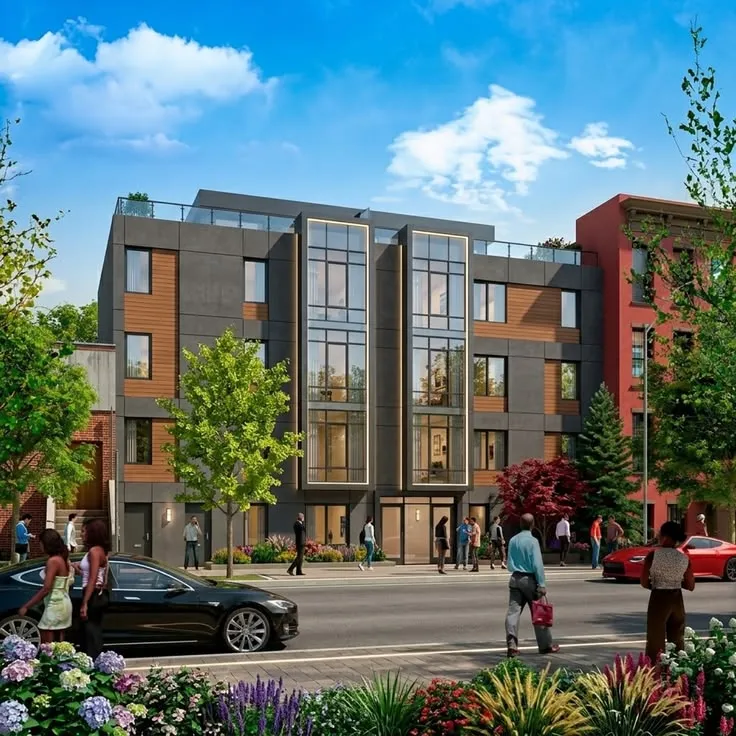
Most people in a tall building share a lift and little else. They nod, check their phones, and part ways. A good shared space can change that. Buyers of new condos, including Chencharu Central Residences, usually ask about pools first. Fewer ask where neighbours will meet.
Community is not built by concrete. It grows from habits, small chats and repeat visits. Design only sets the stage. This article looks at six ways shared spaces help neighbours connect, and what residents can do to help the process along. Nothing fancy required.
Shared Spaces Start Conversations
Meeting places matter. A bench near the mailboxes, a lounge by the pool, a cafe style corner on the ground floor. Each one gives people a reason to stop for a minute. A minute is all a first chat needs. Funny how that works.
Layout shapes behaviour. Open paths that pass through a garden invite lingering. Dead end corridors do not. Buyers viewing Fablewoode Residences or similar projects can ask how the shared areas connect, and whether residents walk through them daily or only visit on weekends. Small detail, big effect.
Small Rituals Build Familiar Faces
Familiarity comes first. People greet those they see often, even if they never learn a name. The morning jogger, the dog walker, the uncle who waters plants at six. Over time, these faces turn into neighbours. It simply takes repetition. That is the whole trick.
Shared routines help too. A weekly yoga slot, a Saturday market, a book swap shelf. Nobody has to join every time. Still, a regular rhythm gives people something to return to, and a casual reason to say, see you next week.
Spaces for Kids and Seniors
Children are natural connectors. One playground, a few scooters, and parents start chatting by the benches. Soon there are shared snacks and borrowed plasters. Kids pull adults into friendships that would never start in a lift. I have seen it happen. Safe, shaded seating matters most.
Seniors deserve a place too. Shaded seats, flat paths and handrails make a garden usable for everyone. A quiet morning tai chi corner or a chess table can anchor a whole group. Mixed ages in one space keeps a community from splitting into small silos.
Garden Corners and Quiet Nooks
Not every connection is loud. Some people want a calm bench, a shady tree and a view of the greenery. Quiet nooks let shy residents be near others without pressure. Sometimes sitting nearby is the first step toward a conversation.
Community gardens add another layer. A shared herb patch gives neighbours a task and a talking point. Swapping tips on basil or chilli leads to swapping everything else. Even a small planter box can pull a few people together each week. Soil under your nails is a great equaliser.
Events That Bring People Out
Events give the space a pulse. A festive dinner, a movie night on the lawn, a kids’ art morning. They need a host, a date and a bit of food. Most residents will show up if someone simply asks them in person.
Management teams can help by booking rooms fairly and keeping rules clear. Residents, say at Residences, can help by volunteering. The best events are small and repeatable, not grand. A dull potluck held monthly beats a big gala held once. Consistency wins, always. Cheap, too.
Keeping Shared Areas Friendly
Rules protect the mood. Quiet hours, fair booking and clear cleaning duties stop small annoyances from growing. A noisy party at midnight can undo months of goodwill. Simple notices, written kindly, tend to work better than harsh warnings. Tone matters more than volume.
When disputes pop up, talk early and face to face if possible. A short chat beats a long message thread. Management and residents’ committees can step in when needed. Healthy communities do not avoid friction. They simply handle it before it sets like cement.
Conclusion
Shared spaces do not create friendships on their own. They create chances. A bench, a garden or a game night gives neighbours a reason to meet, and repeated meetings turn into trust. That trust makes a building feel like home. Quite a good return for a few benches.
Whether you are choosing Central Residences or another new condo, look at the shared areas closely. Ask how people use them. Then, once you move in, show up. Say hello. Join something small. A friendly building starts with one person doing it first.