The Hidden Challenges of Maintaining Roofs on Larger Residential Properties
Larger residential properties often come with impressive architectural features, generous living spaces and beautifully landscaped surroundings. However, their size and complexity can also introduce maintenance challenges that homeowners may not immediately appreciate.
The roof is a particularly important example.
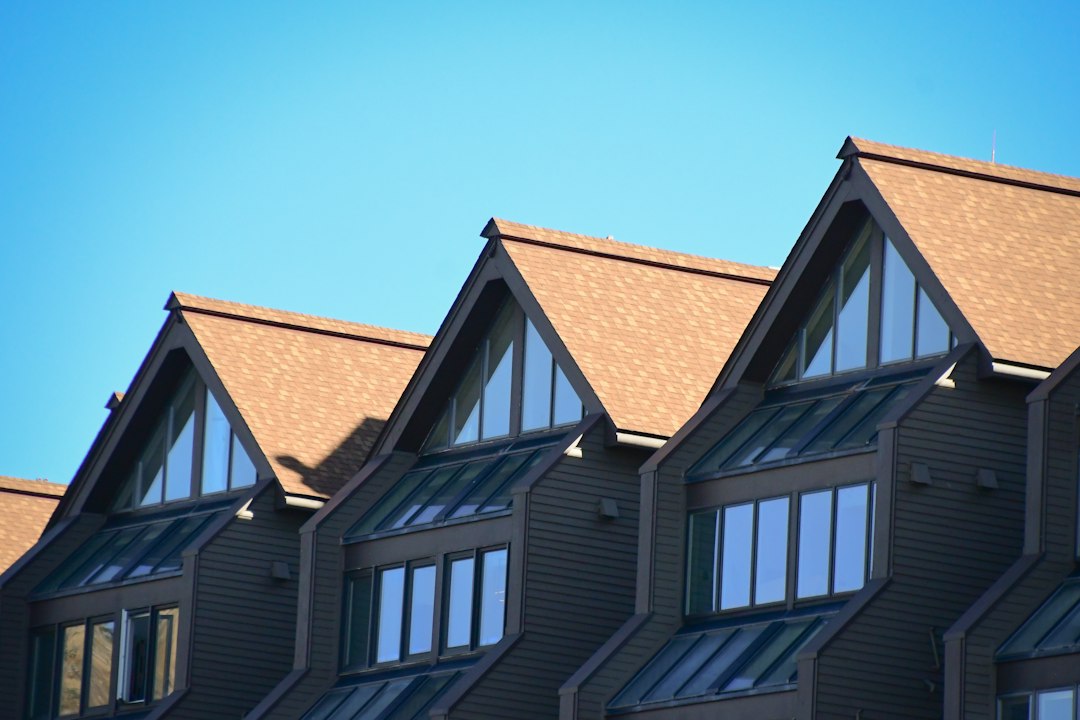
While a conventional family home might have a relatively straightforward pitched roof, larger properties can incorporate multiple roof slopes, dormer windows, chimneys, rooflights, flat-roofed extensions and separate garages.
Each of these features contributes to the appearance and functionality of the building, but they also create additional areas that require inspection and maintenance.
Understanding these challenges can help homeowners protect their property, avoid unnecessary expenditure and identify developing roofing problems before they become significant.
Larger Roofs Bring Greater Complexity
The maintenance requirements of a roof are not determined solely by its overall size.
A large rectangular pitched roof with relatively few junctions may be considerably easier to maintain than a smaller roof incorporating numerous architectural features.
Properties with complicated roof arrangements may include:
- Multiple intersecting roof slopes
- Dormer windows
- Several chimney stacks
- Internal and external roof valleys
- Flat roofing over extensions
- Roof lanterns and skylights
- Parapet walls
- Concealed drainage systems
- Separate garage and outbuilding roofs
- Connections between different roofing materials
Every additional junction or change in roof design creates another area where waterproofing and drainage must function correctly.
A defect affecting just one of these areas can allow water to penetrate the building, even when the majority of the roof remains in excellent condition.
The Challenges of Roofing in Established Surrey Neighbourhoods
Areas of Surrey such as Oxshott, Cobham and Esher contain a varied collection of substantial residential properties, ranging from traditional country houses to contemporary architect-designed homes.
Many properties have undergone extensions, renovations and alterations over several decades.
An original tiled or slate roof may now sit alongside modern flat roofing systems, extensive glazing and additional living accommodation.
The roofing requirements of these properties can differ considerably from those of more conventional homes.
Homeowners maintaining larger properties can benefit from consulting experienced local contractors such as Infinite Roofing in Oxshott, particularly when dealing with complicated roof arrangements involving different materials and construction methods.
Assessing each roof section individually can help establish which areas require attention without unnecessarily disturbing materials that remain in satisfactory condition.
Mature Trees and the Impact on Roof Drainage
Established residential neighbourhoods are often characterised by mature trees, spacious gardens and attractive landscaping.
Although these surroundings contribute significantly to the appeal of a property, they can also increase certain roofing maintenance requirements.
Leaves, small branches, seeds and other debris can accumulate within gutters, roof valleys and drainage outlets.
On properties with extensive roof areas, blocked drainage can be particularly problematic because large volumes of rainwater may be directed towards relatively small outlets.
When water cannot drain effectively, it may overflow onto external walls or collect around vulnerable roofing details.
Over time, this can contribute to deterioration of fascia boards, moisture penetration and damage to surrounding building materials.
Regular drainage maintenance is particularly worthwhile during autumn and following periods of severe weather.
Why Roof Valleys Deserve Special Attention
Roof valleys are formed where two adjoining roof slopes meet.
Their purpose is to collect rainwater from both slopes and direct it towards the appropriate drainage system.
On larger properties with complex roof arrangements, there may be several valleys carrying substantial quantities of rainwater during heavy rainfall.
Valleys can become vulnerable when debris accumulates, waterproofing materials deteriorate or surrounding roof tiles become displaced.
Unlike an isolated damaged tile, a defective valley may affect an area where water is naturally concentrated.
This can result in considerable water penetration during prolonged periods of rainfall.
Homeowners should pay particular attention to recurring damp patches beneath areas where different roof slopes intersect.
Maintaining Different Roofing Materials on the Same Property
Larger residential properties frequently incorporate more than one roofing material.
A traditional house might have clay tiles on its main roof, natural slate on a later addition and EPDM rubber roofing over a modern rear extension.
Other properties may combine fibreglass roofing, specialist single-ply membranes and traditional leadwork.
Each material has its own characteristics and maintenance requirements.
Pitched roofing relies heavily on the arrangement of overlapping tiles or slates, while flat roofing generally relies on a continuous waterproof covering.
The supporting components, drainage arrangements and installation methods also differ.
One of the most important considerations is how these separate systems connect.
Where a flat roof meets a pitched roof or an extension connects to an existing wall, suitable waterproofing details are essential.
A failure at one of these junctions does not necessarily indicate that either of the main roof coverings requires replacement.
Rooflights, Dormers and Architectural Features
Rooflights and dormer windows can transform internal living spaces by introducing natural light and increasing usable accommodation.
They are particularly common on larger homes that have undergone loft conversions, extensions or architectural alterations.
However, every feature that interrupts the main roof covering requires suitable waterproofing around its perimeter.
Problems can develop where flashing deteriorates, seals fail or surrounding roofing materials move.
Potential warning signs include:
- Damp patches around roof windows
- Water staining on adjoining ceilings
- Discolouration around window surrounds
- Moisture appearing following heavy rainfall
- Deterioration of internal plasterwork
- Recurring dampness around dormer walls
It is also important to distinguish between condensation and external water penetration, as these problems require different solutions.
A professional assessment can help establish whether the issue relates to the roof covering, flashing, window installation or another aspect of the building.
The Importance of Maintaining Flat Roof Areas
Contemporary residential architecture frequently incorporates flat roofing to create clean lines, accommodate large roof lanterns and provide flexibility in building design.
Older properties may also contain flat roofs over garages, porches, extensions and dormers.
These roof areas can be difficult to inspect from ground level, particularly where parapet walls conceal the waterproof covering.
As a result, developing defects may remain unnoticed until water becomes visible inside the property.
Common flat roofing problems include damaged waterproof membranes, deteriorated roof edges, failed joints and obstructed drainage outlets.
Persistent standing water may also indicate drainage or structural issues that require investigation.
Regular inspection of these less visible roof areas can help identify developing problems before they result in significant internal damage.
Why Larger Properties Can Be More Expensive to Repair
The cost of roofing work is influenced by considerably more than the quantity of materials required.
Access arrangements can represent a significant consideration, particularly on larger residential properties.
Multiple storeys, complicated rooflines, conservatories, landscaped gardens and restricted access routes can all affect how roofing work is undertaken.
Some repairs may require specialist access equipment or scaffolding, even where the actual defect is relatively small.
For this reason, homeowners may benefit from considering whether several maintenance tasks can be completed during the same period of access.
For example, repairing defective chimney flashing could also provide an opportunity to inspect nearby ridge tiles, roof valleys and other components that would otherwise be difficult to reach.
This does not mean undertaking unnecessary work. Rather, it means making sensible use of access arrangements to assess areas that are normally difficult to inspect.
Developing a Preventative Roof Maintenance Plan
A preventative maintenance approach can be particularly valuable for larger properties.
Instead of waiting for visible water ingress or significant storm damage, homeowners can arrange periodic inspections based on the property’s age, roof construction and previous maintenance history.
A sensible maintenance plan might include:
- Inspecting roof coverings following severe weather
- Arranging seasonal gutter and drainage maintenance
- Checking the condition of chimney flashing
- Monitoring roof valleys for debris and deterioration
- Inspecting flat roofing membranes and drainage outlets
- Reviewing the condition of rooflights and dormer junctions
- Keeping records of previous roofing repairs
- Addressing identified defects before they become more extensive
Homeowners should avoid climbing onto roofs themselves, particularly where surfaces are wet, access is restricted or the roofing materials are potentially fragile.
Professional inspections can provide a more comprehensive assessment of areas that cannot be safely viewed from ground level.
Protecting the Architectural Character of a Property
Many larger and older residential properties contain distinctive architectural features that contribute significantly to their appearance.
Traditional clay roof tiles, natural slate, decorative ridge details and original chimney stacks may form an important part of the property’s character.
Where roofing work becomes necessary, consideration should be given to preserving serviceable original materials and selecting appropriate replacements.
Replacing an entire roof covering simply because one area has deteriorated may not always be necessary.
Conversely, preserving traditional materials should not come at the expense of effective waterproofing or structural integrity.
For listed buildings and properties within conservation areas, homeowners should also establish whether proposed alterations require additional permissions.
A carefully considered approach can help balance the practical requirements of roofing maintenance with the architectural appearance of the building.
Looking After Your Property for the Long Term
A substantial residential property represents a considerable investment, and maintaining its roof is an essential part of protecting that investment.
The complexity of larger roofing systems means that problems are not always immediately visible or straightforward to diagnose.
Regular inspections, effective drainage maintenance and timely repairs can help reduce the likelihood of unexpected roofing failures.
Understanding how different roof sections, materials and architectural features work together also allows homeowners to make better-informed decisions about repairs and replacement.
Rather than treating roofing maintenance as an occasional expense that only becomes necessary when something goes wrong, it should form part of the property’s wider long-term maintenance strategy.
A well-maintained roof protects far more than the exterior appearance of a home. It helps safeguard the building’s structure, interior finishes, furnishings and the comfort of everyone living beneath it.
At a Glance
- Larger residential properties often have complex roof designs that can introduce significant maintenance challenges.
- Roof inspections must account for multiple architectural elements such as dormers, chimneys, and various roofing materials, which each require individual attention.
- Mature trees surrounding residential properties can lead to blocked drainage systems, increasing the risk of water damage if not regularly maintained.
- Roof valleys are critical areas that require special attention, as they collect rainwater and can cause serious leakage if they become obstructed or damaged.
- Different roofing materials used on larger properties have distinct characteristics and maintenance needs that must be managed carefully to ensure effective waterproofing.
- Homeowners are advised to consult experienced local contractors when dealing with complicated roofing arrangements to effectively assess and maintain all roof sections.