
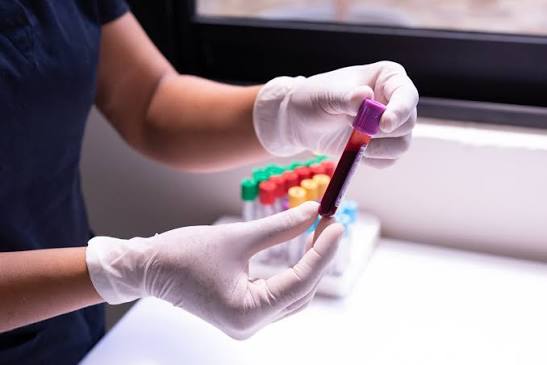
BD Vacutainer Tubes: Understanding Their Role in Blood Collection
Introduction
Blood collection is a routine yet important procedure in healthcare. The quality of a blood specimen can directly affect the reliability of laboratory testing, which makes appropriate collection, handling, and storage essential. BD Vacutainer tubes are commonly used blood collection products designed to collect and preserve blood specimens for different types of laboratory tests.
Understanding their purpose can help nursing students and health-care professionals become more familiar with proper specimen collection practices.
What Are BD Vacutainer Tubes?
BD Vacutainer tubes are evacuated blood collection tubes designed to draw a predetermined volume of blood when connected to a compatible collection system. The vacuum inside the tube helps draw blood through the collection needle and into the tube.
Different tubes are manufactured for different testing requirements. Some contain additives that prevent clotting, while others support clot formation or are designed for specialized laboratory applications.
Why Are Different Tubes Used?
Not every laboratory test requires the same type of blood specimen. Some tests require whole blood, while others require serum or plasma. The additives inside collection tubes help create the conditions needed for specific testing.
Important factors include:
1. Anticoagulants:
Certain tubes contain additives that help prevent blood from clotting when plasma or whole blood is required.
2. Clot activators:
Some tubes are designed to promote clot formation when serum is needed for testing.
3. Separating gels:
Certain tubes contain gel materials that help separate serum or plasma from blood cells during processing.
4. Specialized additives:
Some laboratory tests require tubes containing specific additives or formulations designed for particular applications.
Health-care professionals should always follow the laboratory’s requirements when selecting a tube.
Understanding Tube Colors
Blood collection tubes are commonly identified by the color of their caps. Different colors are associated with particular additives and intended uses. However, cap colors can vary depending on the tube type and testing system, so health-care professionals should not rely on color alone. Laboratory guidelines and manufacturer instructions should always be followed.
For nursing students, learning the connection between tube colors, additives, and testing requirements can help build a strong foundation in specimen collection.
Key Considerations When Using BD Vacutainer Tubes
Several factors contribute to successful blood collection:
1. Correct tube selection:
The tube should correspond to the laboratory test being performed. Using an inappropriate tube can affect specimen suitability.
2. Proper identification:
Patient and specimen identification procedures should be followed carefully to reduce the risk of labeling errors.
3. Adequate filling:
Tubes should be filled according to the requirements of the collection system and laboratory test.
4. Proper mixing:
Tubes containing additives may need gentle mixing according to manufacturer and laboratory instructions.
5. Appropriate handling:
Specimens should be handled, stored, and transported according to applicable laboratory requirements.
Role in Nursing Education
BD Vacutainer tubes can also be valuable for nursing and health-care simulation. Students need opportunities to become familiar with blood collection equipment before performing procedures in supervised clinical environments.
Simulation activities can help students learn:
1. Tube identification:
Students can become familiar with different tube types and their intended applications.
2. Collection equipment:
Practice can help learners understand how tubes fit into a blood collection system.
Conclusion
Ultimately, BD Vacutainer tubes are an important component of blood collection systems. Understanding the differences between tube types, their additives, and their intended applications can help health-care professionals support appropriate specimen collection and handling. For nursing students, hands-on familiarity with these products can also complement classroom instruction and clinical skills training.


